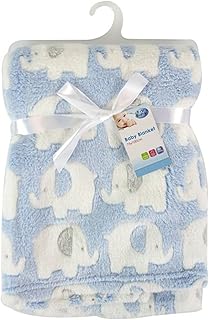
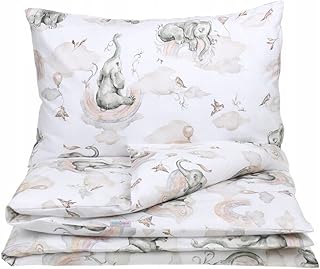
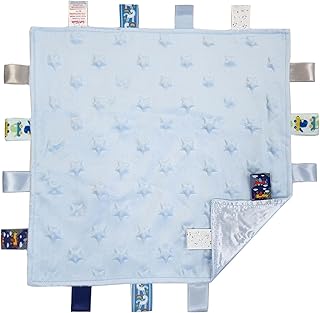
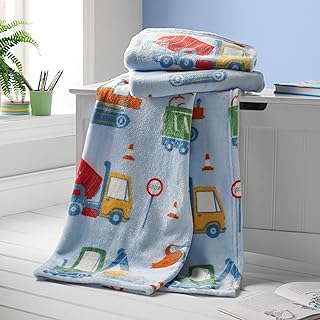
Welcoming a new baby into the family brings immense joy and numerous responsibilities, particularly concerning safety and comfort during sleep. One crucial element in promoting a safe sleep environment is the selection of appropriate baby blankets. New parents often face confusion regarding which blankets are safe for their infants. Understanding the characteristics of safe sleep friendly baby blankets can not only enhance the comfort of your child but also significantly reduce the risk of sleep-related hazards. This article provides an in-depth exploration of the factors to consider when choosing baby blankets and offers practical advice based on expert recommendations.
Understanding Safe Sleep Guidelines
The American Academy of Pediatrics recommends several guidelines to ensure safe sleeping conditions for infants. These guidelines are designed to reduce the risk of Sudden Infant Death Syndrome, commonly known as SIDS. One of the primary recommendations is to keep the sleep area free of soft bedding, including loose blankets, pillows, and stuffed animals. New parents should familiarize themselves with these guidelines to create a safe sleeping environment for their baby.
It is essential to choose blankets that fit within these guidelines. A safe sleep friendly blanket should be lightweight and breathable, allowing for adequate airflow while providing warmth. Avoid blankets that are too thick or heavy, as they can increase the risk of overheating. Additionally, consider using sleep sacks or wearable blankets, which are designed to keep infants warm without the risks associated with loose bedding.
Materials Matter: Choosing the Right Fabric
The fabric of a baby blanket plays a significant role in both comfort and safety. Natural fibers such as cotton, bamboo, and muslin are excellent choices due to their breathable properties. These materials help regulate the baby's body temperature and reduce the likelihood of overheating during sleep. For instance, a lightweight cotton blanket can provide warmth without compromising airflow.
People Also Look For:
- Aolso Baby Muslin Squares Swaddle Blankets, 6 Pcs Warm and Cosy Cotton, Breathable Swaddle Wrap (30 x 30 cm)
- Soarwg Kids Muslin Cloth Baby Swaddle Cloths for Newborns, Pack of 3 Muslin Blanket, Large 95 x 100cm Baby Blanket - Baby Swaddle ...
- flintronic Travel Blanket and Pillow, 2 in 1 Airplane Blanket with Eye Mask and Ear Plugs, Compact Office Blankets, Lightweight & ...
- Lightweight Down Blanket - Waterproof Camping Duvet, Soft Warm Portable Sleeping Blanket, Duvet, Compact Outdoor Throw | All Seaso...
- SIMYJOY Baby Sleeping Bag with Legs 2.5 Tog Cotton Toddler Sleep Sack with Feet & Arms Winter Long Sleeves Sleepsuit Wearable Blan...
Conversely, synthetic materials may trap heat and moisture, creating an uncomfortable sleeping environment for your baby. It is important to check the care labels of blankets and ensure that they are free from harmful chemicals or dyes. Organic fabrics are often a safer choice as they undergo fewer chemical processes than conventional materials, providing an extra layer of safety for your infant.
Size and Fit: Ensuring Safety and Comfort
When selecting a blanket for your baby, size and fit are critical considerations. A blanket that is too large can pose a choking or suffocation hazard if it covers the baby's face during sleep. Therefore, opting for smaller, appropriately sized blankets is essential. The ideal size should be sufficient to cover the baby without being oversized. This ensures that the blanket stays within the designated area of the crib or bassinet and does not create a safety risk.
One effective approach is to choose blankets that are specifically labeled as safe for infants. These blankets typically adhere to safety standards and are designed with the appropriate dimensions for newborns and young babies. Additionally, parents may consider using blankets for swaddling purposes. Swaddling can provide a sense of security and comfort for newborns, mimicking the snug feeling they experienced in the womb. However, it is crucial to follow proper swaddling techniques to ensure the baby's hips and legs can move freely.
Washing and Maintenance: Keeping Blankets Clean and Safe
Maintaining the cleanliness of baby blankets is vital for health and safety. New parents should establish a regular washing routine to eliminate allergens, dust mites, and bacteria that can accumulate over time. It is recommended to wash baby blankets in hot water to effectively kill any germs. Always refer to the care instructions provided by the manufacturer to avoid damaging the fabric.
When selecting laundry detergents, opt for those that are free from fragrances and harsh chemicals, as these can irritate a baby's sensitive skin. Hypoallergenic detergents are often a suitable choice for infants. Additionally, avoid using fabric softeners, as they can leave residues that may not be safe for babies. By maintaining a clean and safe environment, parents can further enhance their baby's sleep quality and overall health.
Real World Examples and Considerations
Considering real-world scenarios can provide clarity for new parents facing decisions about baby blankets. For instance, a parent may choose a lightweight muslin blanket for daytime naps in a well-ventilated room, ensuring the baby remains comfortable and safe. Alternatively, during cooler months, a cotton sleep sack may be selected to provide warmth while adhering to safe sleep guidelines.
Parents should also be mindful of their baby's developmental milestones. As infants grow and begin to roll over, the choice of blanket may need to adapt accordingly. Transitioning to safer options such as sleep sacks or wearable blankets can accommodate this developmental change while ensuring the baby remains secure during sleep.
- Prioritize breathable materials
- Choose appropriately sized blankets
- Maintain a clean washing routine
- Consider developmental stages when selecting blankets
By incorporating these considerations into their choices, new parents can foster a safe sleep environment while ensuring their child's comfort. The journey of parenthood involves continuous learning and adaptation, particularly when it comes to making informed decisions for the well-being of infants. As you navigate the options available for baby blankets, keeping safety as a top priority will lead to more peaceful sleep for both baby and parent.