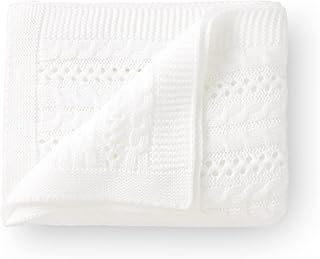
Choosing Right Blanket for Baby Milestones in 2026
As parents navigate the early stages of their baby's life, selecting the appropriate blanket becomes a significant decision. In 2026, the choices available for baby blankets have expanded considerably, with an emphasis on safety, comfort, and developmental support. Understanding the various types of blankets and their unique benefits can help parents make informed choices that cater to their baby's specific milestones.
From swaddling to playtime, the right blanket can play a vital role in ensuring a comfortable environment for your child. As babies grow and their needs evolve, so too should the types of blankets they use. This article explores the essential factors to consider when choosing blankets tailored to your baby's developmental stages.
Types of Blankets for Different Milestones
In 2026, there are several types of blankets designed for different milestones. Each type offers unique features that cater to various stages of a baby's growth. Below are some of the most popular categories:
- Swaddle Blankets: Ideal for newborns, these blankets provide a snug environment that mimics the womb, helping babies feel secure and sleep better.
- Receiving Blankets: Versatile and typically made of lightweight fabric, receiving blankets are perfect for various uses, from burping to swaddling.
- Play Mats: Designed for tummy time and play, these blankets often feature colorful designs and textures to stimulate a baby's senses.
- Weighted Blankets: Suitable for older infants, these blankets can provide calming pressure, aiding in relaxation and better sleep.
Choosing the Right Fabric
The fabric of a blanket is crucial in ensuring comfort and safety. In 2026, parents have access to a range of materials that promote breathability and softness. Cotton remains a popular choice due to its natural fibers and hypoallergenic properties. However, several new fabric options have emerged, such as bamboo and organic cotton blends, which offer enhanced moisture-wicking capabilities.
When selecting fabric, consider the following:
People Also Look For:
- Yoofoss Baby Sleeping Bag 2.5 Tog - 12-18 Months Winter Sleeping Bag Baby 100% Organic Cotton Sleep Sack for Newbron Infant Toddle...
- JoyPlus 6PCS Baby Playpen Ring Baby Crib Pull up Rings Baby Bed Stand Up Rings Baby Walking Assistant Baby Walker Baby Crib Hangin...
- Elodie Details cozy Baby Comforter Cuddle Blanket Blinkie, essentials for Infant Babies and Toddlers, Newborn Gifts for Birthday B...
- Loussiesd Ocean Nautical Plush Blanket Anchor Printed Sherpa Blanket for Kids Adults Sea Adventure Surfing Fleece Throw Blanket So...
- Babymam 2pc Baby bedding set 120x90 Cotton Pillowcase Duvet Cover Fit Cot Elephant on the cloud
- Breathability: Ensure the fabric allows air circulation to prevent overheating, especially during warmer months.
- Softness: Babies have sensitive skin, so opt for fabrics that are gentle and non-irritating.
- Durability: Look for materials that can withstand frequent washing without losing their shape or softness.
Safety Considerations
Safety is paramount when choosing a blanket for your baby. In 2026, infant safety standards are more stringent than ever. Here are essential safety tips to keep in mind:
- Size and Weight: Ensure the blanket is appropriately sized for your baby's crib or play area. A blanket that is too large can pose suffocation risks.
- Non-Toxic Materials: Choose blankets made from non-toxic dyes and materials to safeguard your baby's health.
- Regular Inspections: Routinely check the blanket for wear and tear. Replace any blanket that shows signs of damage.
In addition to these considerations, be aware of the potential for allergens. Opting for hypoallergenic materials can help prevent reactions in sensitive infants. This focus on safety ensures that the blanket contributes positively to your baby's development.
Blankets for Developmental Support
Blankets can also serve as tools for developmental support. For instance, play mats designed with various textures and colors can stimulate a baby's visual and tactile senses. In 2026, many parents are opting for blankets that incorporate sensory elements, encouraging exploration during playtime.
Using a blanket during tummy time can promote muscle development. The right blanket can provide a comfortable surface, helping your baby build strength in their neck and shoulders. Additionally, blankets that feature different patterns or sounds can engage babies, keeping them entertained and focused.
Real World Examples
Consider a scenario where a parent uses a plush, textured play blanket for their six-month-old during tummy time. The vibrant colors and varying textures catch the baby's attention, motivating them to reach and explore. This interaction not only enhances sensory development but also fosters the parent-child bond through shared play experiences.
As babies transition from swaddling to using a blanket for comfort during sleep, the choice of fabric becomes crucial. In 2026, many parents are selecting organic cotton blankets that are both soft and breathable, ensuring their child remains cozy without overheating.
Ultimately, the right blanket can accompany your baby through various milestones, providing comfort, safety, and developmental benefits. As parents consider the options available to them, they should prioritize features that align with their baby's specific needs in this 2026 landscape of parenting.
As the market evolves, parents can look forward to innovative designs and materials that enhance the blanket experience for their children.